
IBC 2026: XGRIDS Brings Reality Capture into the Virtual Production Pipeline
In an article published on 5 October 2026, Vizrt explored how real-world environments captured with the XGRIDS PortalCam could be reconstructed using 3D Gaussian Splatting (3DGS) and brought into Viz Engine for virtual production. Read the Vizrt article
The demonstrations and conversations at IBC 2026 highlighted growing interest in bringing reality capture into media production. Vizrt’s example illustrates how captured environments can become part of a broadcast workflow.
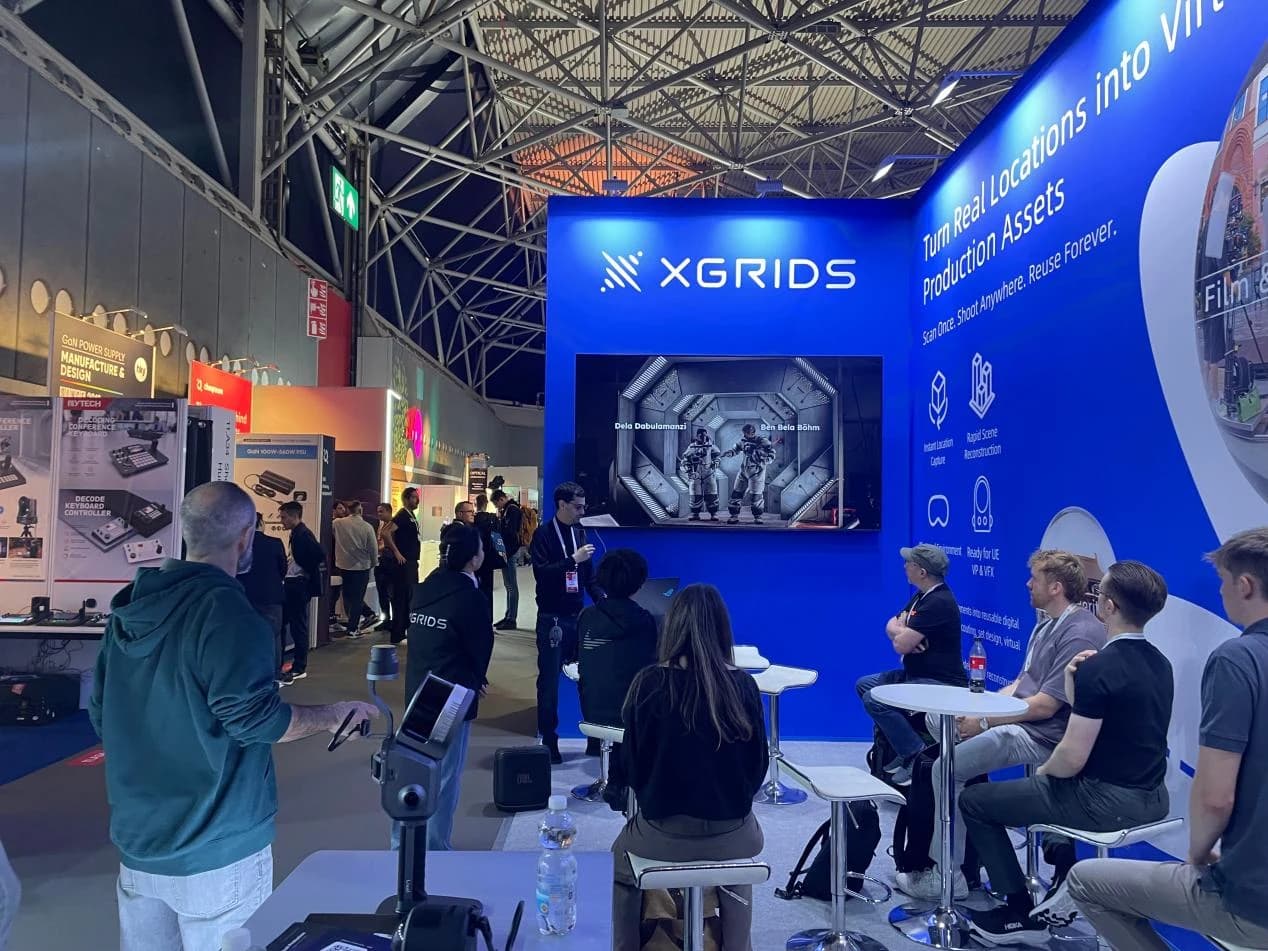
For Sunova, XGRIDS’ strategic partner in Europe, IBC was an opportunity to connect with professionals across the media and entertainment industry, explore emerging technologies and exchange ideas on how spatial capture can support new creative workflows.
The Core: LCC Plugin for Unreal Engine
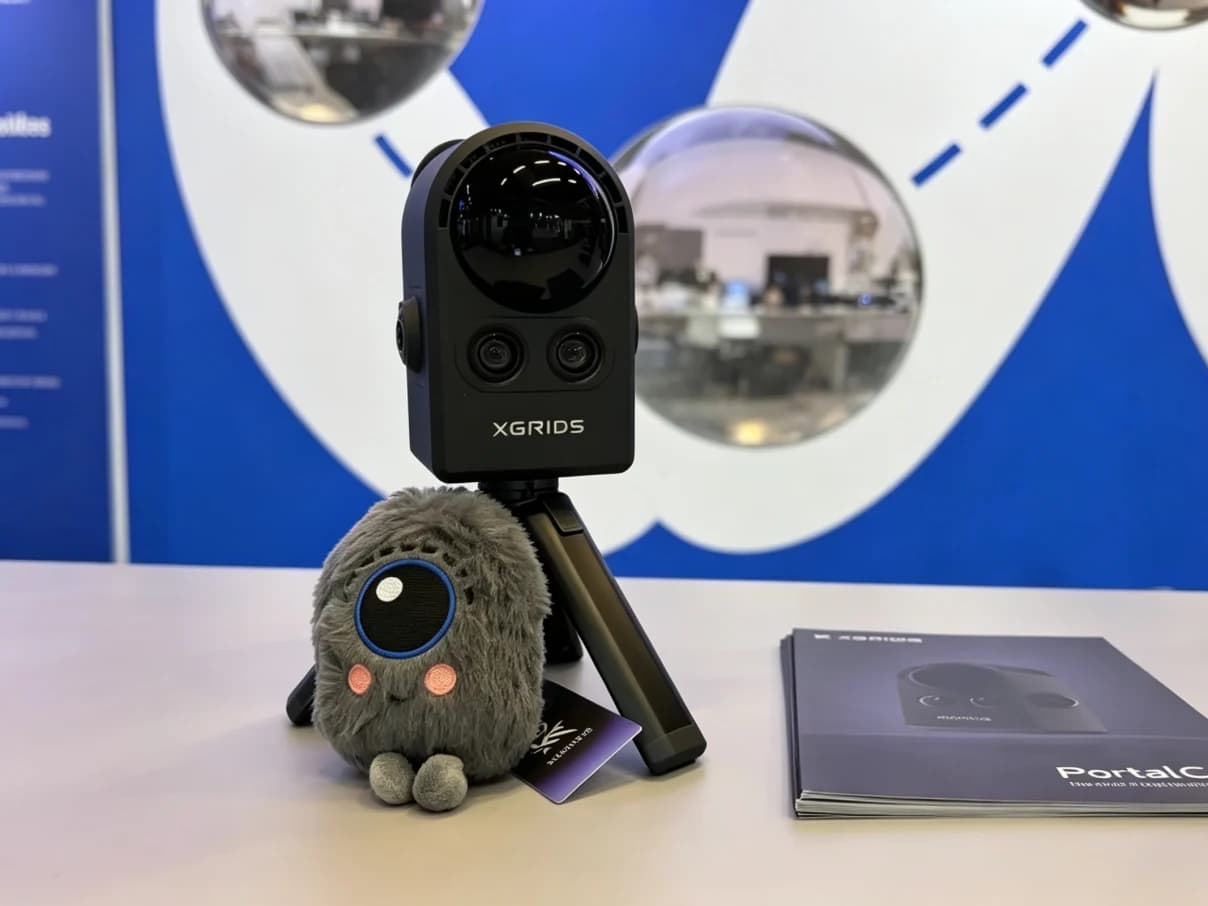
The centerpiece of this year's showcase was the new LCC Plugin for Unreal Engine. It connects XGRIDS' capture and reconstruction workflow to Unreal Engine, a real-time 3D platform used in virtual production, completing a chain that runs from the PortalCam, through LCC's lightweight reconstruction, into Unreal Engine.
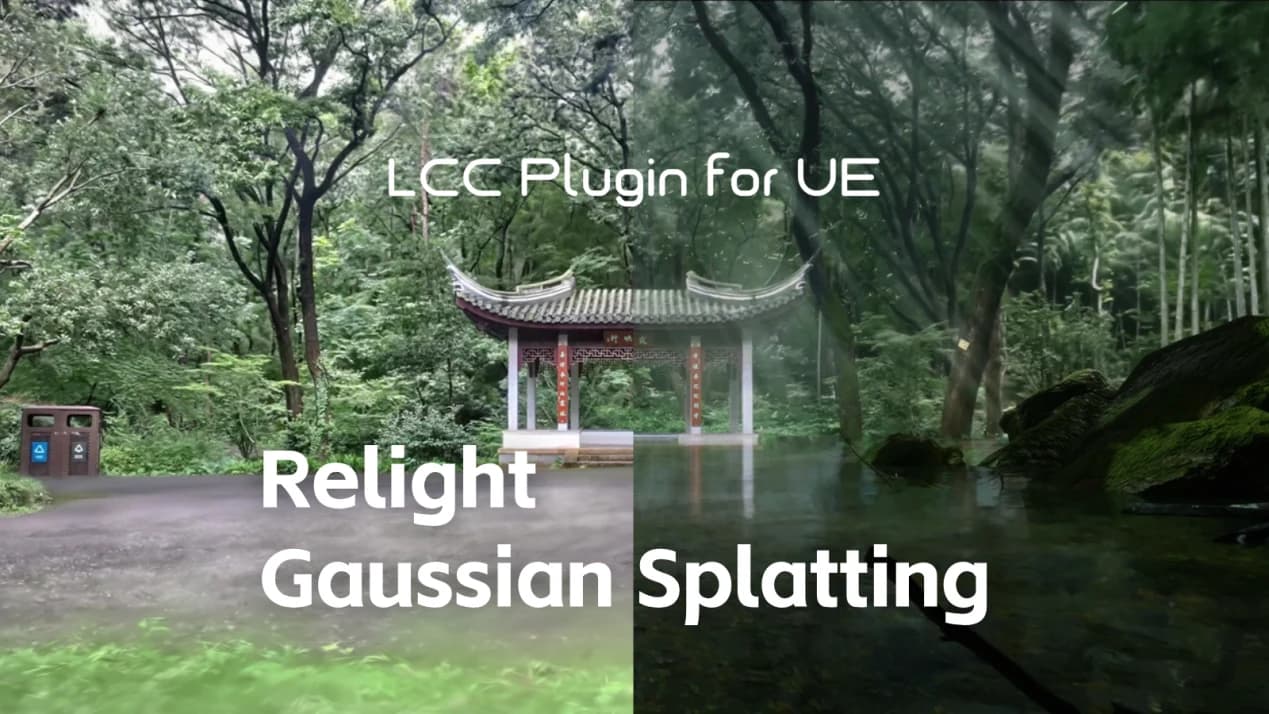
The workflow connects three stages: PortalCam captures a real-world location; LCC reconstructs it into a photorealistic 3DGS scene; and the LCC Plugin for Unreal Engine brings that scene into Unreal alongside other production assets. Capture and reconstruction time depend on the size and complexity of the location and the hardware used.
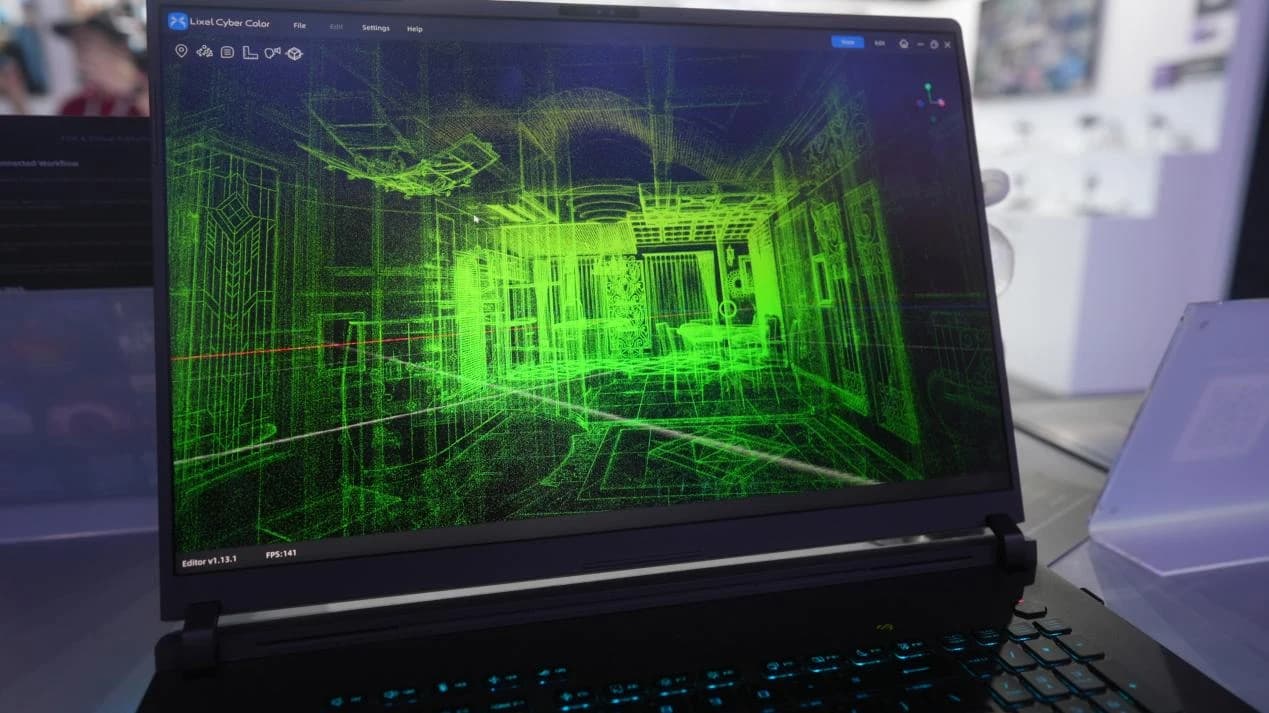
For virtual production teams, this helps connect location capture with real-time rendering. The PortalCam + LCC + UE workflow brings these stages together, with the plugin supporting nDisplay for virtual production. Camera tracking and on-set operation still depend on the production system and its configuration.
The plugin supports large 3DGS scenes, which matters when scanning whole environments rather than individual props. As of publication, XGRIDS offers a Free edition and lists the Pro edition as free for a limited time. Features and licensing terms differ by edition; teams should check the official plugin page before deployment.
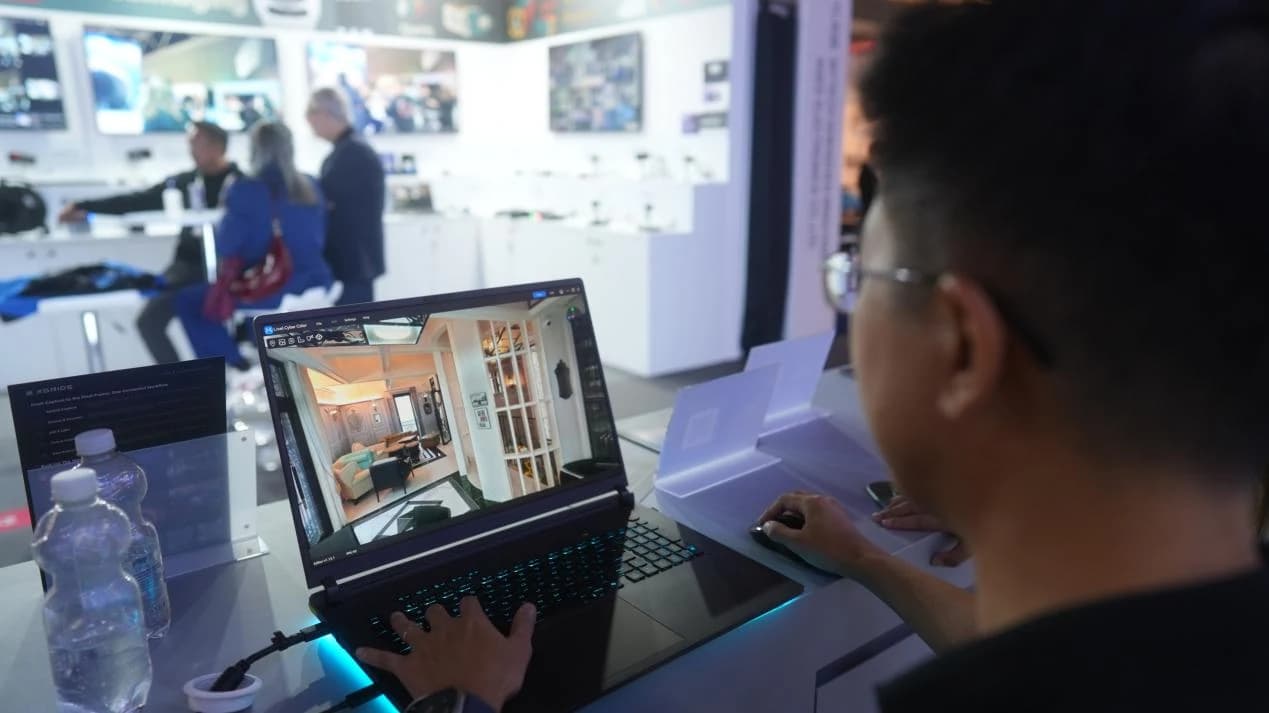
This is the answer to a question that kept resurfacing across the show: how do professionals bring a real-world environment into the pipeline they already work in, without breaking the flow between capture and creation?
A Broader Shift: The 3DGS Ecosystem
Beyond XGRIDS’ own workflow, IBC highlighted a broader shift: 3DGS is moving from an experimental format toward a practical production tool. Captured environments are being explored in virtual-production platforms, digital-asset libraries and real-time engines. Vizrt’s demonstration of scanned environments in Viz Engine is one example of this direction.
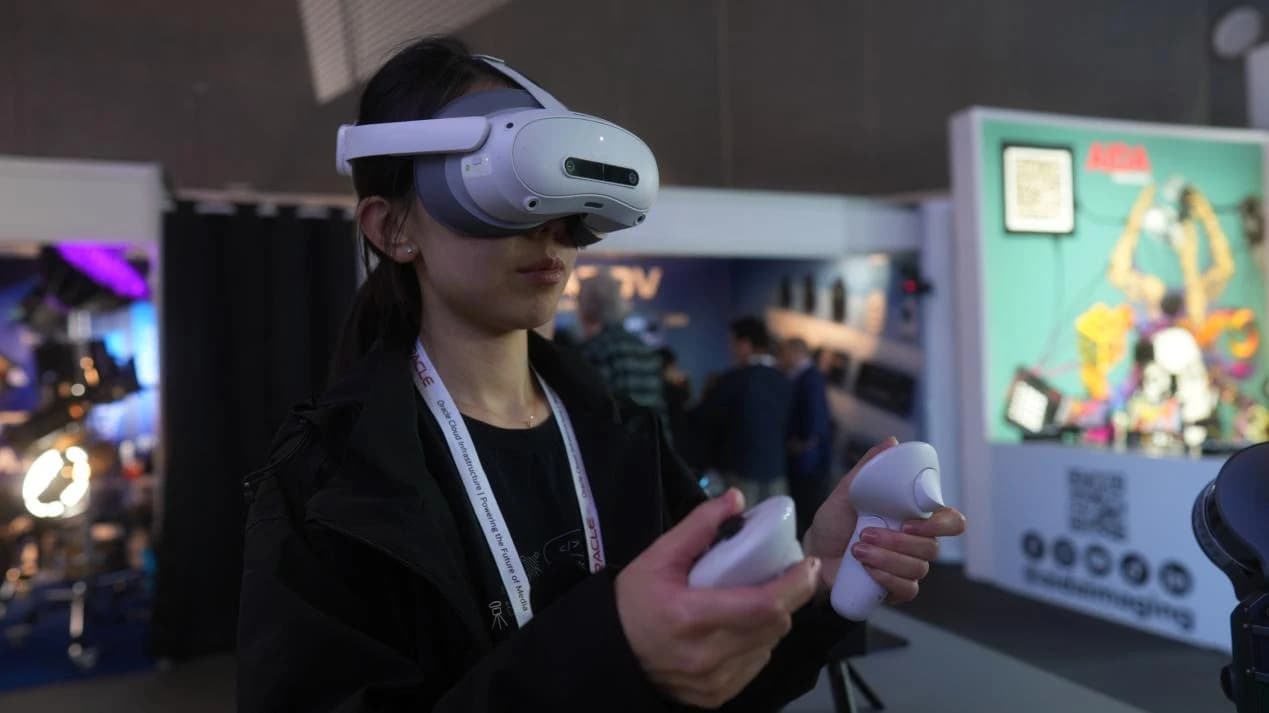
This is precisely why integrations like the LCC Plugin for Unreal Engine matter. As the ecosystem matures, the technology that wins is the one that fits into the workflows creators already use — turning a captured space into the next stage of a production, rather than a dead end.
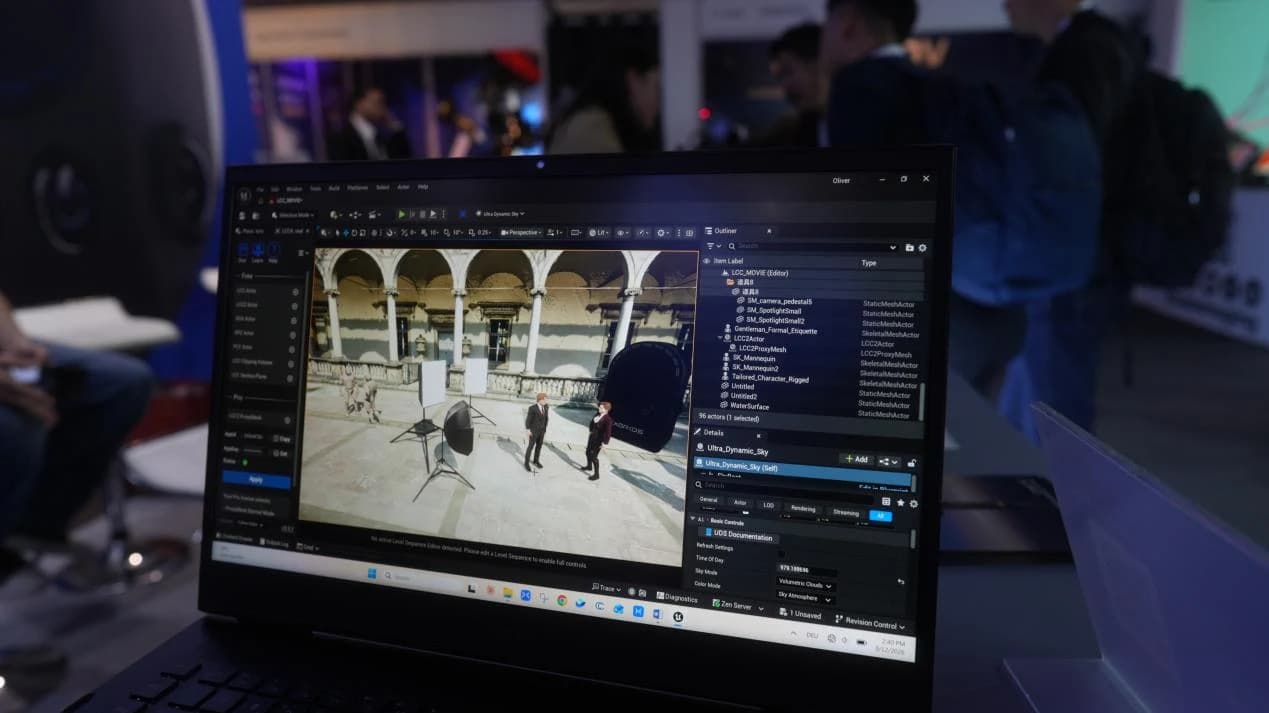
The opportunity, therefore, extends beyond producing more realistic digital scenes. It lies in making those scenes easier to incorporate into the next stage of creation.
Conversations That Connect Technology with Real-World Needs
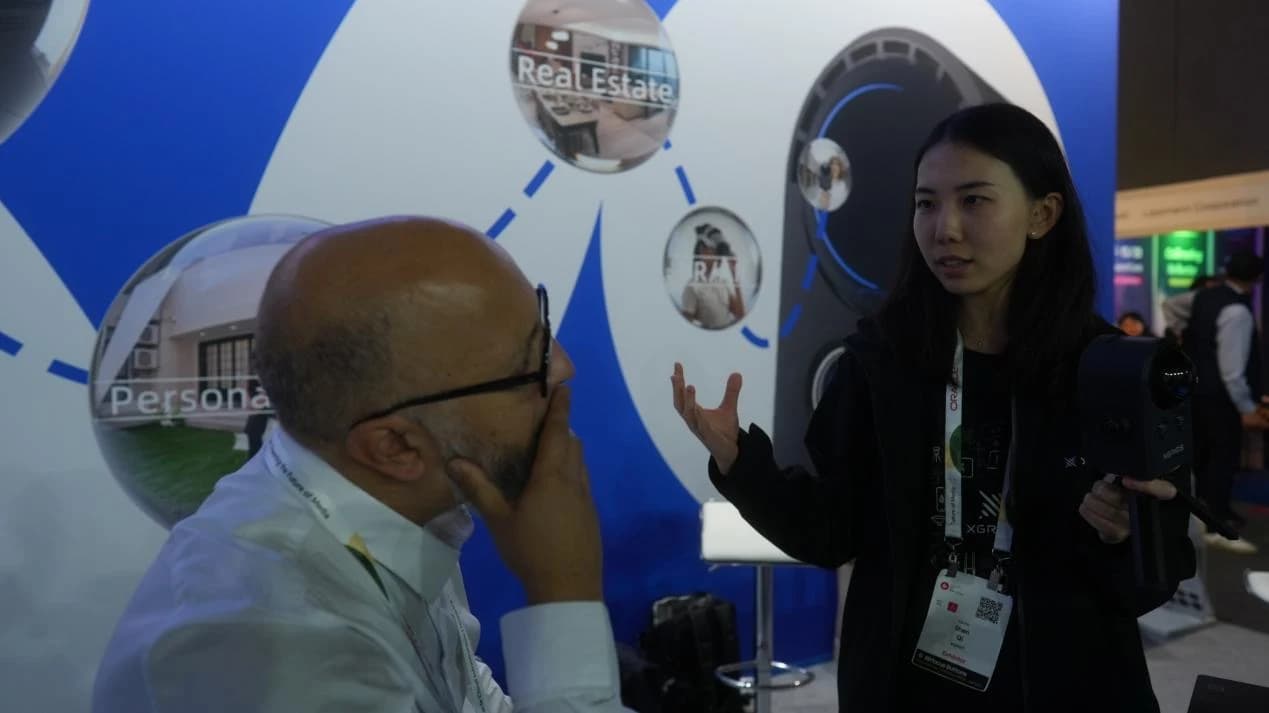
Throughout IBC, the Sunova team welcomed visitors to explore XGRIDS’ products and discuss how reality capture could support their projects. Live demonstrations and face-to-face conversations provided opportunities to understand the priorities of professionals working across different fields, from architecture and surveying to digital content production.
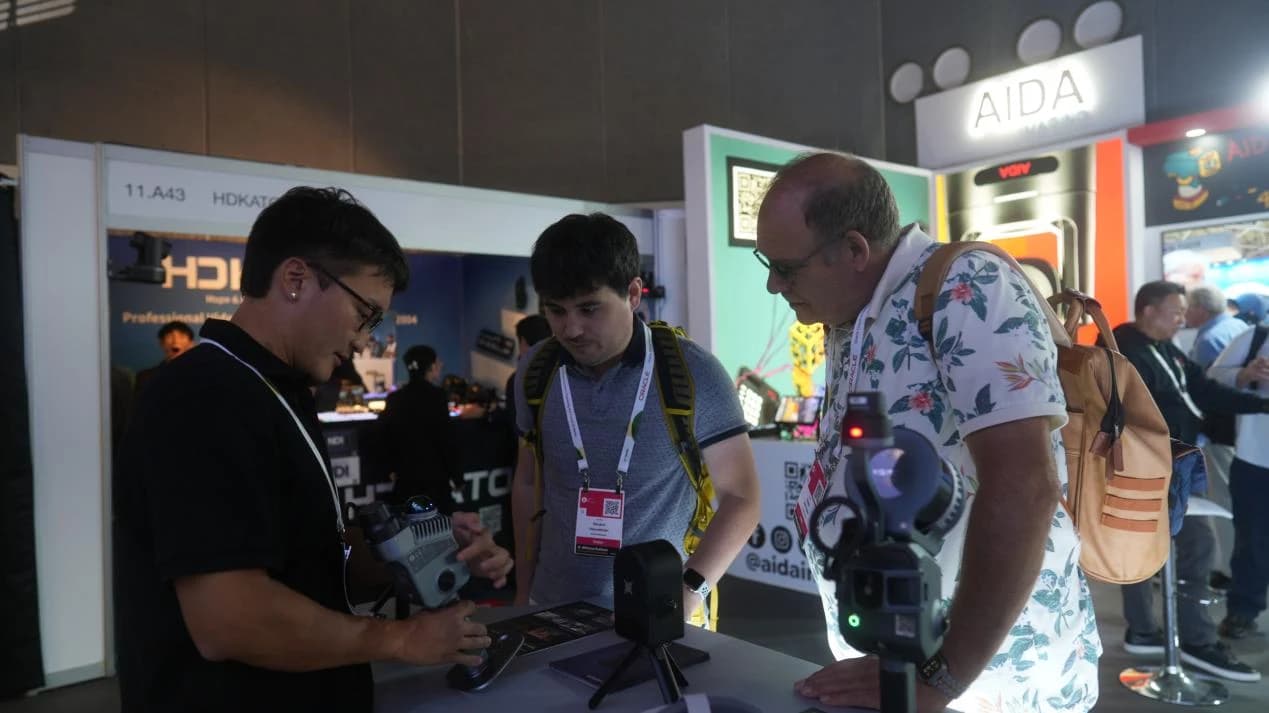
These discussions also highlighted a practical consideration shared by many users: a capture workflow needs to fit the way people actually work in the field. For professionals operating on construction sites or across multiple locations, simplicity in capturing, transferring and sharing data can be just as important as the quality of the final model.
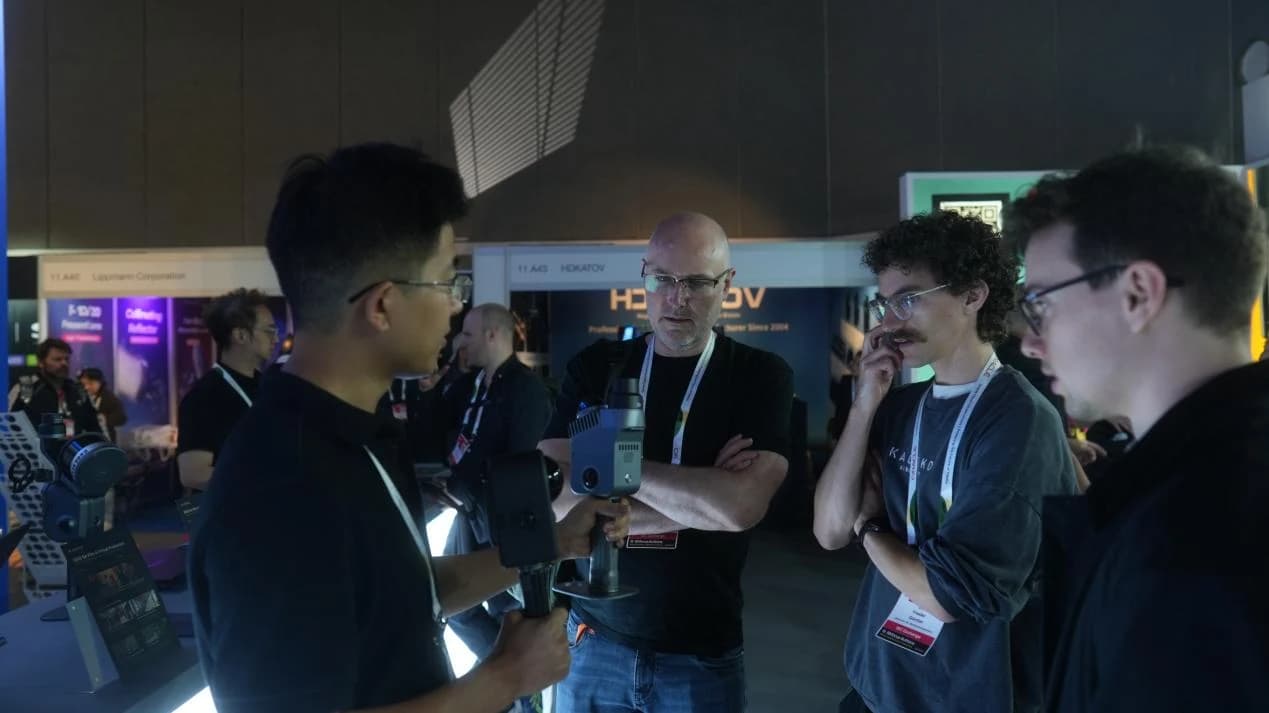
Such feedback offers valuable insight into the challenges users face as they bring spatial technologies into everyday workflows. It also reinforces the importance of collaboration between technology providers, local partners and end users. By connecting industry experience with product development and workflow integration, these conversations help identify where reality capture can deliver greater practical value.
Making Reality Ready for Creation
IBC 2026 reinforced a central idea for the future of reality capture: capturing the world is only the beginning. As 3DGS continues to develop, its impact will increasingly depend on how effectively real-world environments can move from capture into reconstruction, integration and creative use.
With the PortalCam, LCC and the LCC Plugin for Unreal Engine, XGRIDS is helping connect these stages and expand the possibilities for spatial content in virtual production and digital media. To see the workflow in action, request a demonstration or reach out to your local XGRIDS partner.
Plugin features and editions: XGRIDS LCC Plugin for Unreal Engine
Contact Sunova to request a demonstration →